
The pioneer of positive psychology, Martin Seligman, postulates that heredity and environment account for 60% of our happiness while our response choices account for 40% of our satisfaction.
He defined fulfilment and happiness in his TED talk as “consisting of knowing what your highest strengths are and using them to belong to, and in the service of, something larger than you are.”
Numerous academics have investigated the art and science of happiness, including Martin Seligman. I’ve looked into the most fascinating habits of the world’s happiest people and have chosen to share them with you here.
- THEY ENJOY THE MOMENT
It seems that taking the time to “smell the roses” actually makes life happier. You become more aware of what’s going on around you when you love the little things, good or bad.
The happiest individuals concentrate on what they can influence, and despite any challenges you may be facing, you can choose happiness in the moment.
- THEY HAVE A GROWTH MINDSET
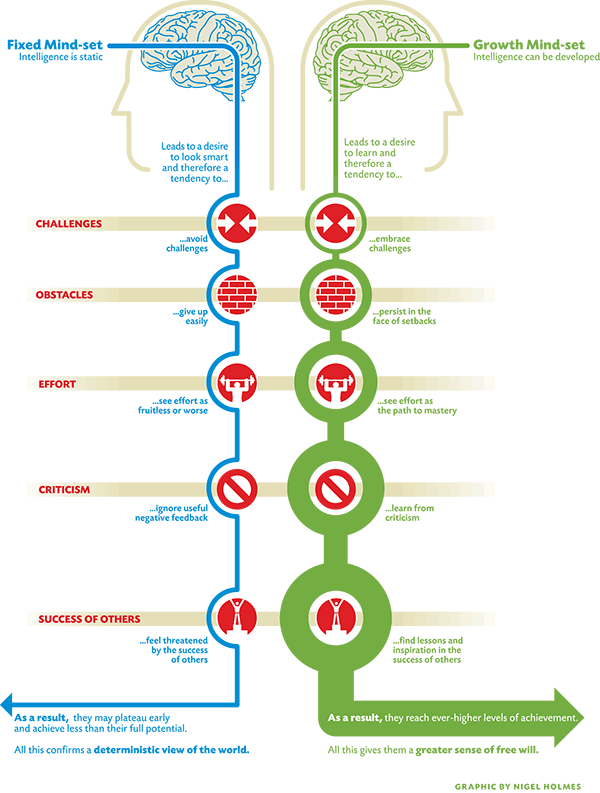
The most prosperous and content individuals, according to Carol Dweck’s explanation in the book Mindset, have a “growth mindset” as opposed to a “fixed mindset.” A fixed mindset wants achievement as confirmation of intelligence or value; a growth mindset thrives on challenge and sees failure as a motivator for progress and reaching beyond current abilities rather than as evidence of incompetence or unworthiness.
After 20 years of research, Dweck came to the conclusion that people who had a growth mindset were considerably more resilient when faced with difficulties, had healthier relationships, and excelled in the classroom.
- THEY SURROUND THEMSELVES WITH OTHER HAPPY PEOPLE
As Jim Rohn once said, “You are the average of the five people around you.”
How we think, feel, and where we go in life are all greatly influenced by the people we choose to surround ourselves with. Although it may sound harsh, removing the unfavourable influences from your life is essential if you want to be happier.
You won’t have to speak to them directly about it; you might just progressively spend less time with them so you can concentrate on bettering yourself.
- THEY HAVE A DREAM
We can only look back on the past since there is no future to look forwards to.
Having a dream is one of the most crucial things for keeping upbeat when things get difficult, regardless of whether it is to tour the world, launch your own business, or learn a new language.
In Eastern Asia, this idea of having a purpose is very common. ‘Ikigai’ is a phrase used in Japan that translates to “the reason you wake up in the morning.” They all had this explanation when some of the happiest and longest-living persons were surveyed.
- THEY CAN WAIT
The bigger the dream you have, the more patience you have to practice.
Happy people put their attention on the journey, how far they’ve gone, and what lies ahead of them rather than immediately seeking the rewards.
They realise that the best things in life—whether it’s a job promotion, a fulfilling relationship, or a new skill they’re learning—come to those who are patient and can persevere over the long haul.
- THEY SCHEDULE “ME” TIME INTO THEIR DAY
Saying “yes” to everything puts you on the fast track to being miserable.
Giving is crucial, but if doing so means sacrificing “your” time to unwind, unwind, and learn new things, you won’t have much left to give in the long run.
You can’t always be agreeable; that’s how people take advantage of you. You have to set clear boundaries.
- THEY SPEND MONEY ON EXPERIENCES NOT MATERIAL THINGS
That car that you just bought diminished in value the moment you drove it off the lot, but experiences are memories that will stay with you for the rest of your life.
The happiest individuals would rather take a backpacking journey across Asia than spend their money on a flat-screen TV they’ll almost ever use. Both Marc and Angel state that:
“We tend to be happy when we make experiential purchases for two main reasons: 1. The more we think back on wonderful memories, the better they become. 2. Social gatherings that get us out of the house and engaging with people we care about are frequently experiences.
- THEY GIVE MORE THAN THEY TAKE
Since there are always more possibilities, resources, and opportunities for love to be shared in a world of abundance, happy people are always giving when they can.
They are constantly giving, whether it’s raising money for a cause they care about, donating $1 to a skilled musician performing in the subway, or volunteering their valuable time to mentor a mentee.
As ironic as it may sound, happy people understand that this will actually make them happier in the end.
- THEY EMBRACE DISCOMFORT
Resilience, in the opinion of psychologist Peter Kramer, is the opposite of depression. People who are content are resilient after failure. Resilience is a cushion against the unavoidable hardship that all people must endure. Fall seven times, rise eight, as the saying goes in Japanese.
People who are content with their lives believe that struggle is a sign of development. Why? The benefits of mastering a skill much surpass the hardships one must go through to get there.
- THEY ARE ALWAYS LEARNING
Despite his ASL, Stephen Hawking has made prominent scientific discoveries. What is more, he has found the words to tell the world about his findings.
The happiest individuals share a similar trait with Hawking. They continue to learn throughout their lives by reading new books, experiencing other cultures, picking up new languages, etc. Since life cannot exist without growth, it is a continuous process.

 Chityphong Alain Banchong - The Pursuit of Greatness